
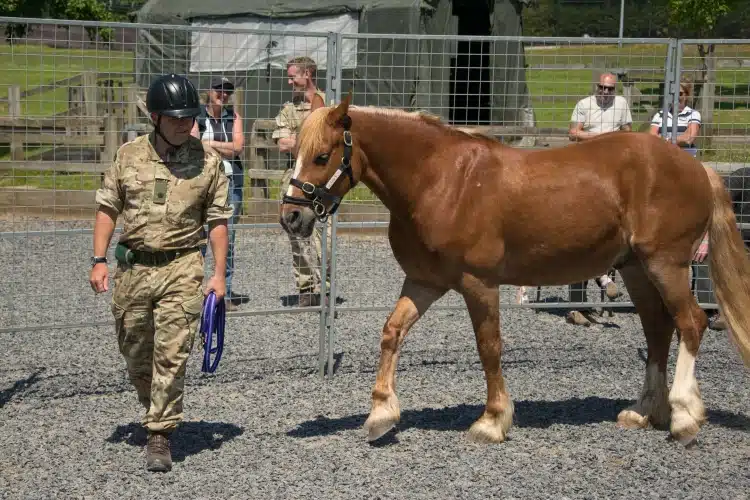
In the high-stakes world of military service, personnel often face unique challenges that demand resilience, adaptability, and mental toughness. Despite rigorous training and preparedness, the toll of prolonged stress, trauma, and reintegration struggles can weigh heavily on service members and veterans alike. Enter Equine-Facilitated Psychotherapy (EFP), an innovative therapeutic approach that leverages the innate power of human-horse interactions to foster emotional healing and well-being.
What is Equine-Facilitated Psychotherapy (EFP)?
Equine-Facilitated Psychotherapy (EFP) is a specialized form of therapy that uses horses to create a non-judgmental, calming, and deeply responsive environment. Unlike conventional talk therapy, EFP emphasizes experiential learning, with the horse acting as an active partner in the therapeutic process. This unique interaction promotes self-awareness, emotional regulation, and personal growth in ways that traditional methods may not achieve.
Horses, with their keen sensitivity to human emotions and body language, respond instinctively to the behavior and energy of individuals. This dynamic creates opportunities for participants to explore and address emotional challenges, develop trust, and foster communication skills in a safe and supportive setting.
Why EFP for Military Personnel?
Military life often instills a strong sense of discipline and stoicism, traits that can sometimes act as barriers to seeking emotional support. EFP offers an alternative route for military members to reconnect with themselves and others. The hands-on nature of the therapy eliminates the need for verbal disclosure, making it particularly appealing to those who may struggle with articulating their feelings or recounting traumatic experiences.
For veterans and active-duty personnel, the benefits of EFP include:
- Improved Emotional Regulation: Working with horses requires calmness and focus. Their non-verbal feedback encourages participants to manage their emotions effectively.
- Enhanced Resilience: The challenges of building trust with a horse parallel the process of rebuilding confidence and overcoming trauma.
- Stress Reduction: The calming presence of horses and the natural outdoor environment contribute to lowered anxiety levels.
- Strengthened Relationships: Interactions with horses often mirror human relationships, offering insights into trust, communication, and boundaries.
A Dialogical Narrative Approach
One of the standout aspects of EFP is its use of a dialogical narrative framework. This approach encourages participants to construct and share their personal stories through their interactions with horses. For military personnel, this narrative-building can be particularly powerful, helping them process complex experiences, reclaim agency, and redefine their identity beyond the uniform.
Real-Life Applications and Success Stories
Military organizations and veteran support groups worldwide have embraced EFP as a valuable tool for addressing PTSD, anxiety, depression, and other service-related challenges. Programs often incorporate group therapy sessions, individual equine activities, and tailored exercises to meet the unique needs of participants.
For instance, a veteran struggling with hyper-vigilance might learn to relax and build trust by observing the horse’s reactions to their presence. Similarly, active-duty personnel managing family stress can gain insights into their behavior and relationships through guided interactions.
Looking Ahead: The Role of EFP in Military Support
As the understanding of mental health in the military community evolves, innovative therapies like EFP are poised to play a significant role in holistic care. By offering a non-traditional, impactful approach to well-being, EFP empowers service members and veterans to navigate the complexities of their experiences with resilience and hope.
Organizations and individuals interested in supporting military mental health initiatives should consider integrating EFP programs into their offerings. By partnering with certified equine therapy providers, military communities can ensure that their personnel have access to this transformative resource.
Conclusion
Equine-Facilitated Psychotherapy is more than a therapeutic trend—it’s a lifeline for those who have served and sacrificed. By embracing the profound bond between humans and horses, military personnel can embark on a journey of healing, self-discovery, and renewal. For service members seeking an alternative path to well-being, EFP opens doors to new possibilities and a brighter future.
For those looking to take part in EFP then the following link gives a list of therapists:-
Equine Facilitated Psychotherapy | Find a Therapist
Article based on the journal publication “Equine-Facilitated Psychotherapy (EFP) and Well-Being: Exploring the Experiences of UK Military Veterans Using a Dialogical Narrative Approach” by Imogen Campbell and David Murphy
Photo courtesy of Warrior Equine


I’m very keen on helping British Army Personnel get over problems by loving horse’s.
I would be interested in this, doing and or helping.